

Bone grafting might sound intimidating, especially if it’s your first time hearing the term. However, this commonly performed technique is essential for supporting your body’s ability to heal and regenerate bone in areas where it has been lost or damaged. Whether it’s related to dental implants, bone fractures, or spine surgery, bone grafts are a crucial part of modern medical and dental treatment. So, what is a bone graft, and why might you need one?
Let’s break it down together in a simple, professional, and warm way that helps you understand every step of the process.
What Exactly Is a Bone Graft?
A bone graft is a surgical approach where a small amount of bone tissue or substitute material is transplanted into an area of the body that needs support, repair, or stimulation of new bone growth. This technique helps replace lost bone, promote bone healing, or prepare an area (such as the jaw bone) for another procedure like a dental implant.
Bone grafts can come from your own body, a donor or be made from synthetic bone materials. Each type serves the same goal: to encourage the growth of natural bone in a weakened or damaged area.
When Do You Need a Bone Graft?
Bone grafting is often recommended in the following situations: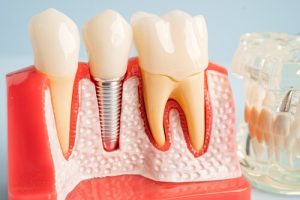
- To prepare for dental implants when there isn’t enough bone in the jaw
- To repair fractures that don’t heal on their own
- To treat bone loss caused by gum disease, trauma, or infections
- To stabilise joints or the spine during orthopaedic surgery
- To fill bone defects after tumour removal or injury
- To aid fusion in spinal surgery, to help fuse joints in the back or neck
In dentistry, it’s quite common to need a bone grafting procedure before a dental implant surgery, especially if the bone has shrunk over time.
Different Types of Bone Grafts Explained
There isn’t just one way to perform a bone graft. Based on your individual needs, your dentist might suggest a particular type of bone graft that’s best suited to your situation. Here are the main options:
1. Autologous Bone Graft (or Autograft)
This type uses human bone taken from another part of your own body, often the hip, jaw, or rib. Since the graft comes from you, there’s no risk of graft rejection, and it contains living cells that promote healing. However, it requires a second surgical procedure, which means more time and recovery.
2. Allograft Bone
This option uses donated bone from a bone bank. The bone is carefully processed to remove cells and reduce the risk of infection. It’s safe and doesn’t require another surgery site on your body.
3. Synthetic Bone Graft
This involves using lab-made materials that mimic naturally occurring minerals found in bone, such as calcium phosphate, which is the main mineral component of natural bone. Synthetic bone is a great choice when you want to avoid using donor or patient bone, and it still encourages bone growth.
How Is a Bone Grafting Procedure Done?
The process will vary slightly based on the location of the graft, but it usually follows a similar structure:
- Consultation and Imaging: Your dentist will assess the area using X-rays or CT scans to determine if you need a bone graft and what type suits you best.
- Preparing for Surgery: This could include stopping certain medications, avoiding smoking (which is crucial because smoking slows healing), and arranging post-op care.
- The Procedure: The dentist makes an incision in the gum or skin to access the area. They then place the graft material, whether allograft, synthetic, or from the patient’s body, into the bone-deficient area. The graft is stabilised, and the incision is closed with stitches.
- Post-Surgery Healing: The body begins to generate new bone, slowly incorporating the transplanted bone into your existing bone tissue. Healing can take a long period, from a few months up to a year, depending on the complexity.
Bone Grafting and Dental Implants: A Common Pairing
One of the most common reasons for bone grafts is to get your mouth ready for dental implants. When teeth are lost due to injury, decay, or gum disease, the surrounding jaw bone starts to shrink or deteriorate. Without enough healthy bone, an implant can’t be placed securely.
A sinus lift, for instance, is a special type of bone grafting performed in the upper jaw to add bone below the sinus, creating enough height for a future dental implant.
What Is Bone Healing Like After a Graft?
Healing after a bone graft requires patience, as your bones need time to absorb the graft, strengthen it, and form a stable base for future treatments such as implants. Here’s what to expect:
- Slight discomfort and swelling are common during the initial few days after the procedure.
- Pain relief with prescribed or over-the-counter medication
- Avoiding hard or crunchy foods during recovery
- Attending follow-up appointments for monitoring
The good news is that most bone grafts are highly successful when patients follow their aftercare instructions.
What Are the Risks of Bone Grafting?
Like any surgical procedure, bone grafting carries some risk, although complications are rare. These may include: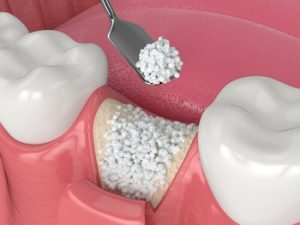
- Infection at the graft site
- Graft rejection (rare, especially with modern materials)
- Pain, swelling, or bleeding
- Failure of the graft to fuse properly
- Delayed healing, especially in smokers or patients with health conditions
Your dentist will discuss all potential complications with you during the planning stage.
Tips to Support Your Healing and Bone Growth
Here are a few tips to help ensure your graft has the best chance of success:
- Avoid smoking, which interferes with bone healing
- Eat a balanced diet rich in calcium and vitamin D
- Follow all post-op instructions carefully
- Maintain cleanliness around the surgical site to help prevent infection and support proper healing.
- Let your body rest and heal fully before rushing into further treatment
Final Thoughts: Why Bone Grafts Are Worth It
While a bone graft might sound complex, it’s often a critical step toward restoring your health, whether you’re repairing a fracture, treating bone loss, or preparing for dental implant surgery. It’s a way of giving your body the boost it needs to build back strong bones and support your long-term well-being.
If you’ve been told you might need a bone graft, don’t panic. With modern materials, advanced techniques, and proper care, the process is safe, manageable, and extremely effective.
For more personalised guidance or if you’re considering dental implants, contact Available Dental Care today at (02) 4601 3828 to book an appointment. They’ll walk you through the process, answer your questions, and make sure you feel informed and confident every step of the way.
Note: Any surgical or invasive procedure carries risks. Before proceeding, you should seek a second opinion from an appropriately qualified health practitioner.
References
- Mayo Clinic. (n.d.). Dental implant surgery. Retrieved from https://www.mayoclinic.org/tests-procedures/dental-implant-surgery/about/pac-20384622
- Cleveland Clinic. (n.d.). Dental bone graft. Retrieved from https://my.clevelandclinic.org/health/treatments/21727-dental-bone-graft
- Misch, C. E. (2017). Postoperative Complications in Oral Surgery. In Dental implant prosthetics (2nd ed.). Elsevier. https://doi.org/10.1002/9781119362579.ch18