

Wearing braces is an exciting step towards straightening teeth, but it also introduces new responsibilities that many people underestimate. Poor oral hygiene with braces can delay treatment, affect the appearance of your teeth, and harm your oral health in the long run. When brackets and wires are in place, they can trap food, collect plaque and food particles, and make brushing and flossing trickier than usual. Understanding how to maintain oral hygiene with braces is crucial for keeping your teeth and gums healthy throughout orthodontic treatment.
Below, you will find a helpful, conversational guide that explains the risks, signs, and daily habits that support good oral hygiene and keep your mouth healthy while you work towards a brighter smile.
Why Poor Oral Hygiene with Braces Happens Easily
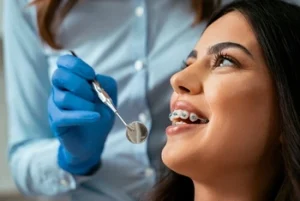 Braces create extra surfaces where food particles and sticky plaque can accumulate. Even with regular brushing, plaque can remain around brackets and wires, especially near the gum line. As bacteria multiply, the risk of gum disease, tooth decay, cavities, and other problems increases. Because orthodontic treatment lasts months or years, consistently poor oral hygiene can cause long-term health problems that extend beyond your teeth.
How Brackets and Wires Trap Food
The design of braces makes it easier for food particles stuck in small spaces to remain unnoticed. This encourages the formation of plaque. If you do not remove plaque effectively through brushing and flossing, it can harden into tartar and irritate your gums. Over time, this irritation may contribute to inflammation, bleeding, and gum disease.
Why It Affects Your Dental Health
When bacteria stay undisturbed, they weaken the enamel, leading to tooth decay, white spots around brackets, and increased sensitivity. Poor oral hygiene can also slip under the radar, which allows other problems to develop. Maintaining dental hygiene is essential for ensuring that your treatment progresses smoothly and that your future healthy smile stays on track.
Common Problems Linked to Poor Oral Hygiene with Braces
Understanding the risks encourages stronger habits. Here are the most common issues linked to poor oral hygiene during orthodontic treatment.
Gum Inflammation and Gum Disease
Gums healthy enough to support orthodontic treatment are important. Poor oral hygiene can cause tender, swollen, or bleeding gums due to plaque buildup. When this becomes persistent, gum disease may develop and lead to deeper tissue problems.
Tooth Decay and Cavities
Brackets and wires create ideal hiding spots for bacteria. If brushing your teeth does not effectively remove plaque, the acids produced by bacteria can weaken enamel and cause cavities. This can lengthen treatment time or require additional dental visits.
Bad Breath
Trapped food particles between the teeth and braces can lead to ongoing bad breath. Removing these particles through brushing and flossing is essential for keeping your mouth healthy and fresh.
White Spots and Staining
When plaque remains on the teeth for extended periods, white spots may appear around the brackets. These marks can become permanent, even after the braces are removed.
Building a Strong Oral Hygiene Routine with Braces
A committed oral hygiene routine helps prevent the problems discussed above. Here is how to keep your teeth clean and your treatment on track.
Start with Regular Brushing
 Brushing your teeth after every meal is essential during orthodontic treatment. Use a soft-bristle toothbrush or an electric toothbrush to gently brush around the brackets and along the gum line. Place the toothbrush at an angle and use a small circular motion to effectively remove plaque.
Try to brush properly for at least two minutes. If you cannot brush right after a meal, rinsing with water can help dislodge food until you can clean more thoroughly.
Flossing Matters More Than Ever
Flossing clears away plaque and food particles lodged between your teeth. Using a floss threader or a water flosser allows you to reach beneath the archwire. Together, brushing and flossing support the health of your teeth and gums and help lower the chance of developing gum disease.
Interdental Brushes for Hard-to-Reach Areas
Interdental brushes can clean around brackets where toothbrush bristles often miss. They can reach tight areas and help remove plaque that hides between wires and the gum line.
Eating Smart To Support Dental Health
Certain foods can make hygiene with braces more challenging. Choosing a nutrient-rich, balanced diet supports your overall well-being and provides added protection for your teeth.
Avoid Foods That Trap Food or Damage Braces
Sticky foods, hard snacks, and sugary foods tend to trap food around braces or cling to teeth. These foods increase the potential of tooth decay and other problems. Try to limit these items as much as possible.
Choose Healthier Alternatives
A nutritious, well-balanced diet supports your dental health and slows the growth of bacteria that thrive on sugar. Drinking water with your meals and afterwards helps rinse away any remaining food particles.
Sugar Free Gum for Extra Freshness
If approved by your dentist, sugar-free gum can help remove plaque by stimulating saliva flow. This can support a healthy mouth during orthodontic treatment.
Tips To Maintain Oral Hygiene Throughout Treatment
Here are simple ways to keep your oral health strong while wearing braces.
Brush After Every Meal
Brushing your teeth after each meal helps remove plaque and reduce bacteria. This habit keeps your mouth healthy and lowers the risk of cavities.
Carry a Travel Toothbrush
A compact toothbrush allows you to gently brush your teeth when away from home.
Stay Hydrated
Water helps rinse away food and supports saliva production, which protects teeth and gums.
Visit Your Dentist Regularly
Routine appointments help monitor treatment and identify early signs of poor oral hygiene.
Final Thoughts: Keeping Your Smile Healthy During Orthodontic Treatment
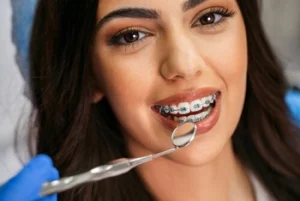 Maintaining good oral hygiene with braces may feel challenging at first, but once you build habits that fit into your day, the process becomes easier. Brushing, flossing, choosing a balanced diet, and staying committed to dental hygiene not only protect your treatment progress but also support long-term oral health. With the right tools, smart choices, and regular care, you can maintain your teeth and gums in good condition and promote a healthier mouth from start to finish during your orthodontic treatment.
If you need personalised guidance or want to make your orthodontic journey more manageable, contact Available Dental Care at (02) 4601 3828 for professional support and tailored dental advice.
References
Oral Health Foundation. (2017, January 9). Sugar-free chewing gum. https://www.dentalhealth.org/sugar-free-chewing-gum
Colgate. (2023, January 9). Using a floss threader: Make flossing easier. https://www.colgate.com/en-us/oral-health/brushing-and-flossing/using-a-floss-threader-make-flossing-easier
Cleveland Clinic. (2023, April 10). Periodontal disease (gum disease): Causes, symptoms & treatment. https://my.clevelandclinic.org/health/diseases/21482-gum-periodontal-disease