

Restoring missing teeth with dental implants is among modern dentistry’s most reliable and durable options. While the dental implant procedure is considered minor surgery, it involves a carefully structured healing process that ensures the implant integrates securely with the jawbone. Understanding the dental implant healing stages helps patients know what to expect, how to care for the implant site, and how to support a smooth recovery.
The Initial Consultation and Treatment Planning
Before dental implant surgery, your dentist will schedule an initial consultation to evaluate your oral health and the density of your jawbone. During this stage, the treatment plan is carefully designed to suit your needs, considering how many teeth need replacing, the location of the missing teeth, and whether a bone graft is necessary.
This phase may include X-rays or 3D imaging to evaluate the jawbone and surrounding teeth. A bone graft might be recommended if the bone is too thin or soft to support the titanium implant. The bone graft helps strengthen the area, allowing for successful implant placement later on.
The Initial Surgery and Early Healing
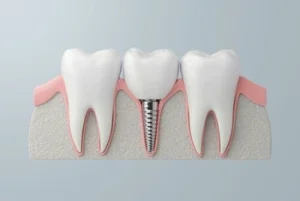 The first step in the dental implant process is surgically placing a titanium implant post within the jawbone. This post serves as an artificial tooth root, offering a strong and secure base for the eventual dental crown.
The surgery is usually performed under local anaesthesia, and post-operative care instructions are given to help manage any discomfort. It’s normal to experience slight swelling, bruising, or tenderness near the surgical site, which typically eases within a few days.
What to Expect During the First Week
During the initial recovery process, patients are advised to eat soft foods, avoid touching the implant site, and maintain good oral hygiene without disturbing the healing area. Gently rinsing with warm salt water can aid in preventing infection, while prescribed pain medication can help ease discomfort throughout the recovery period.
Following postoperative care is crucial at this stage to encourage soft tissue healing and reduce the risk of implant failure. Most dental implants begin integrating with the bone soon after placement, starting the foundation of a long-term tooth replacement solution.
The Bone Healing and Osseointegration Stage
After the initial surgery, one of the most critical dental implant healing stages begins with the osseointegration phase. This process involves bone healing and growing around the titanium implant, fusing it firmly into place.
Understanding Osseointegration
Osseointegration typically takes several months, depending on factors such as bone density, overall health, and the complexity of the dental implant treatment. During this stage, the implant slowly bonds with the jawbone, creating a solid and secure base for the replacement tooth. As it heals beneath the gum tissue, maintaining good oral hygiene and following your dentist’s care instructions are vital for successful recovery. Avoid smoking and alcohol during this healing phase, as they can slow bone growth and increase the risk of complications.
A soft food diet is still recommended, especially in the early weeks of bone healing. Foods like mashed potatoes, soups, scrambled eggs, and smoothies can help you stay nourished while protecting the implant site.
Abutment Placement and Soft Tissue Healing
Once the titanium implant has completely fused with the bone, the next step in the dental implant procedure is attaching the abutment. This small connector links the implant post to the dental crown or replacement tooth, securing it firmly in place.
The Second Minor Surgery
This stage may require a minor surgery to reopen the gum tissue and expose the implant. After placing the abutment, the gum is allowed to heal for a few more weeks. During this period, soft tissue healing occurs as the gum adapts around the abutment, creating a natural contour similar to that around a natural tooth.
Your dentist will monitor your progress through regular dental checkups to ensure the healing process is on track and everything is recovering as expected. Maintaining proper oral hygiene during this phase is crucial to preventing infection around the abutment and promoting a smooth recovery.
The Final Restoration: Placing the Dental Crown
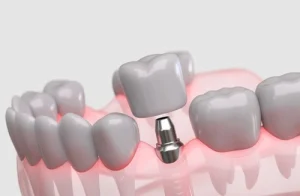 After the gums have healed and the implant has completely fused with the bone, the final phase of the dental implant process involves placing the dental crown. This custom-crafted crown is made to blend seamlessly with the colour and shape of your surrounding teeth, creating a natural and visually pleasing result.
Your dentist will carefully check that the crown fits comfortably and functions correctly, marking the completion of your dental implant treatment. From this stage onward, your new tooth will look, feel, and perform much like your natural teeth, enabling you to eat, speak, and smile easily.
How to Support Healing After Dental Implant Surgery
Each stage of the implant healing process plays a vital role in achieving long-term success. Following your dentist’s postoperative care instructions can significantly improve healing and reduce the risk of complications.
Maintain Good Oral Hygiene
Although the implant itself is artificial, the surrounding bone and gum tissue remain vulnerable to bacteria. To keep the area clean, use a soft-bristled toothbrush and mild, non-abrasive toothpaste to gently brush around the implant site. Floss carefully or use interdental brushes designed for implants to remove plaque between the teeth.
Eat Soft Foods
During the healing period, it’s important to eat soft foods that do not put pressure on the implant site. Gradually return to your normal diet once your dentist confirms that healing has progressed well.
Attend Regular Dental Checkups
Regular dental checkups let your dentist monitor the implant’s stability and ensure the surrounding teeth remain healthy. These visits are essential for detecting potential issues such as infection, gum inflammation, or implant movement early.
Avoid Harmful Habits
Smoking and heavy alcohol intake can slow down the healing process and raise the likelihood of implant failure. Avoid these habits during your recovery process to support bone growth and tissue healing.
The Importance of Patience During the Healing Stages
The dental implant healing stages may take several months to complete, depending on your body’s response, the need for further procedures like bone grafting, and your overall dental health. While it may feel like a long process, each phase contributes to ensuring your implant’s long-term stability and success.
Rushing the process or ignoring postoperative care can lead to complications that affect the implant’s ability to integrate with the bone. By being patient and following your dentist’s recommendations, you are setting the foundation for a healthy, long-lasting tooth replacement.
Common Signs of Healthy Healing
It’s normal to experience mild discomfort, minor swelling, and tenderness after the dental surgery. However, as the days progress, these symptoms should gradually improve. A healthy healing process typically includes:
- Reduced swelling and pain after the first few days
- No signs of excessive bleeding or discharge from the implant site
- Gum tissue, which is slowly closing around the abutment
- Gradual return of comfort when chewing and speaking
If pain intensifies or you notice signs of infection, such as redness, pus, or persistent swelling, contact your dentist immediately. Early intervention can prevent further issues and protect the success of your implant.
Achieving a Smooth Recovery and Lasting Results
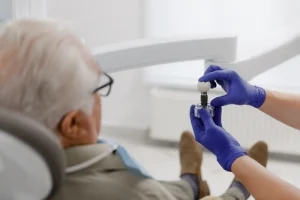 The success of dental implant healing relies on a combination of professional care, patient responsibility, and time. Following every stage, from the initial surgery to the final restoration, helps ensure that the implant integrates properly and functions as intended.
By keeping up with good oral hygiene, attending regular dental checkups, and following your dentist’s post-operative care guidelines, you can ensure a smooth recovery and enjoy a strong, lasting smile.
Choosing dental implants to replace missing teeth goes beyond aesthetics; it helps restore oral health, improve function, and enhance overall quality of life. With proper care and patience, your dental implant can stay strong, healthy, and fully functional for many years ahead.
For personalised care and expert guidance throughout your dental implant journey, contact Available Dental Care at (02) 4601 3828 to schedule a consultation.
Note: Any surgical or invasive procedure carries risks. Before proceeding, you should seek a second opinion from an appropriately qualified health practitioner.
References
Colgate-Palmolive Company. (2023, January 9). Signs of a failed dental implant. Colgate®. https://www.colgate.com/en-us/oral-health/implants/signs-of-a-failed-dental-implant
Cleveland Clinic. (2023, April 14). Dental crowns: Types, procedure & care. https://my.clevelandclinic.org/health/treatments/10923-dental-crowns
Mayo Clinic Staff. (2024, October 23). Dental implant surgery. Mayo Clinic. https://www.mayoclinic.org/tests-procedures/dental-implant-surgery/about/pac-20384622