

Dental implants have transformed how we replace missing teeth, offering a strong, natural-looking solution that can last a lifetime. However, like any surgical procedure, it’s normal to experience some level of discomfort after dental implant surgery. The good news is that most patients recover quickly and enjoy a comfortable experience with the right care and pain relief strategies.
Whether you’re preparing for a dental implant procedure or already experiencing dental implant pain. This guide will help you understand what to expect during recovery, the common causes of discomfort, and effective ways on how to relieve pain from dental implant for a smooth and successful healing process.
Understanding Dental Implant Pain: What’s Normal and What’s Not
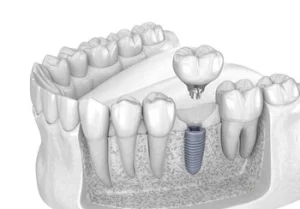
Dental implants are small titanium posts fixed in the jawbone through surgery to act as replacements for missing teeth. They serve as artificial tooth roots, providing a strong foundation for crowns, bridges, or dentures. The dental implant process includes several steps, and some level of mild discomfort is a normal part of healing.
Why Pain Happens After Dental Implant Surgery
After the tooth implant procedure, the body’s natural healing response kicks in. Some discomfort is expected as the tissues, gums, and jawbone begin to recover. Typical reasons you might experience pain include: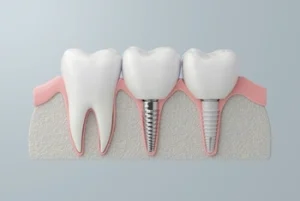
- Minor inflammation around the implant site
- Soft tissue irritation during the procedure
- Pressure on the jawbone as the titanium post integrates
- Slight bruising or swelling in the gums or cheek area
Most patients report significantly less discomfort than expected, often describing it as a dull ache rather than intense pain. With modern techniques and local anaesthesia, the implant surgery itself is completely numb and virtually tolerable.
What Happens After Dental Implant Surgery: Here’s What You Can Expect
Every patient’s experience is unique, but understanding the typical recovery process can give you a clear picture of what’s ahead and help you manage pain effectively.
The First 24 Hours
- The local anaesthetic will keep the area completely numb for several hours.
- As the anaesthetic wears off, you may notice mild discomfort or a dull ache.
- Minor bleeding, swelling, and sensitivity are common during this time.
Days 2 to 4
- Swelling and tenderness may peak around the second or third day.
- You might experience mild bruising, tingling, or slight numbness.
- Discomfort is usually manageable with prescribed medications or over-the-counter pain relief.
Days 5 to 7
- Pain and swelling should start to reduce.
- Most patients return to normal daily activities.
- The implant area continues healing, and chewing becomes easier.
After One Week
- Any discomfort should be minimal or gone.
- The gums and jawbone are well into the healing phase.
- Persistent or severe pain after this point should be checked by your dentist.
Effective Ways to Relieve Pain After a Dental Implant Procedure
While mild discomfort is expected, there are many proven ways to manage pain and ensure a smooth recovery. The following strategies will help you relieve pain and protect your new implant during healing.
1. Follow Your Dentist’s Post-Operative Instructions
Your dentist will provide detailed care guidelines tailored to your treatment. Following these instructions closely is one of the most effective ways to support healing and manage pain. These may include advice on medications, hygiene, diet, and activity levels.
2. Take Prescribed Medications as Directed
If your dentist prescribes pain relief medication or antibiotics, take them exactly as directed. Medications help reduce inflammation, prevent infection, and manage discomfort in the days following implant surgery. Avoid skipping doses, as consistent pain control can support a smoother recovery.
3. Use Ice Packs to Reduce Swelling
Swelling is a normal response to implant surgery, but it can increase discomfort. Placing a cold compress on the cheek close to the implant area for about 15 minutes at a time during the first 24 hours can help:
- Reduce swelling
- Minimise bruising
- Numb the area and ease pain
Be sure to wrap the ice pack in a cloth to protect your skin.
4. Stick to Soft Foods While You Heal
Chewing hard foods can place pressure on the implant site and slow healing. In the first few days after surgery, choose soft foods like:
- Mashed potatoes
- Soups and broths
- Scrambled eggs
- Smoothies and yoghurt
Stay away from hot, crunchy, or sticky foods that might aggravate the implant area. Once the discomfort eases, you can gradually return to your normal diet.
5. Keep Your Mouth Clean and Healthy
 Good oral hygiene is important for preventing infection and supporting recovery. However, you’ll need to clean your mouth gently around the implant area:
- Rinse with a saltwater solution several times a day
- Avoid vigorous swishing or spitting in the first 24 hours
- Use a soft-bristle toothbrush to clean nearby teeth
A clean mouth reduces inflammation and minimises the risk of complications.
6. Avoid Strenuous Activities
Intense physical activity or lifting heavy objects can increase blood flow and pressure in the surgical area, which may lead to more swelling or bleeding. Take it easy for at least a few days after the procedure and allow your body to focus on healing.
7. Elevate Your Head While Resting
Keeping your head slightly elevated, especially while sleeping, helps reduce swelling and pressure around the implant site. This simple step can also ease discomfort and promote a smoother recovery.
8. Use Warm Saltwater Rinses
After the first 24 hours, rinsing your mouth with warm saltwater can soothe sore gums, reduce inflammation, and keep the area clean. Saltwater rinses are gentle and effective in supporting healing without irritating the implant.
9. Avoid Smoking and Alcohol
Smoking reduces blood circulation, slows down the healing process, and raises the risk of infection, while alcohol can disrupt medications and irritate the treated area. For optimal healing outcome and minimal discomfort, avoid both for at least a week after surgery.
Signs Your Pain Might Need Professional Attention
In most cases, and subsides within a few days. However, there are times when discomfort could indicate a complication. Contact your dentist immediately if you notice any of the following:
- Severe pain that doesn’t ease even after taking medication
- Swelling that worsens after several days
- Persistent numbness, tingling, or burning sensations
- Bleeding that does not stop
- Signs of infection, such as fever, pus, or a lingering foul taste in the mouth
Prompt treatment can prevent more serious issues and protect your dental implant.
What If Your Dental Implants Hurt After Weeks or Months?
While uncommon, some patients may experience discomfort weeks or months after the dental implant procedure. This is not normal and often points to an underlying issue. Potential causes include:
- Infection around the implant site
- Nerve damage during surgery
- Overloading of the implant due to biting or chewing forces
- Inflammation of the surrounding bone or gums
Your dentist will assess the implant, gums, and jawbone to determine the cause and recommend appropriate treatment, which might include antibiotics, adjustment of the implant, or additional procedures if necessary.
How Modern Dentistry Keeps Dental Implant Pain to a Minimum
Advances in modern dentistry have significantly improved the comfort and effectiveness of dental implant treatment. From precise planning to advanced anaesthesia, the entire process is designed to offer a comfortable experience for patients.
Local Anaesthesia and Sedation
Before surgery, a local anaesthetic is used to completely numb the implant area, ensuring you don’t experience pain during the procedure. Many patients report feeling only slight pressure as the implant is placed.
Minimally Invasive Techniques
Modern surgical methods focus on minimal disruption to surrounding tissues. This leads to reduced swelling, less discomfort, and a faster recovery.
Careful Planning and Imaging
Advanced imaging technology allows dentists to plan the implant placement with pinpoint accuracy, reducing the risk of complications such as nerve damage and improving overall healing.
The Bottom Line: Managing Dental Implant Pain is Easier Than You Think
 It’s natural to feel a little anxious about discomfort following dental implant surgery or wonder how to relieve pain from dental implant treatment, but the reality is that most patients experience only mild, short-lived discomfort. Thanks to modern techniques, local anaesthesia, and effective pain management strategies, dental implants are far less painful than many expect.
If you follow your dentist’s instructions, use recommended pain relief methods, and care for your oral health, you can expect a smooth recovery and long-term success with your implant. Should you experience unusual or severe symptoms, seeking prompt professional care will ensure that your treatment remains on track.
Dental implants are one of the most effective ways to replace missing teeth. Knowing how to manage discomfort and support healing helps you enjoy strong, natural teeth for years.
If you’re experiencing ongoing discomfort or need professional advice about your recovery, contact Available Dental Care at (02) 4601 3828 to book an appointment and get the personalised dental implant pain management you need.
Note: Any surgical or invasive procedure carries risks. Before proceeding, you should seek a second opinion from an appropriately qualified health practitioner.
References
Mayo Clinic. (2024, October 23). Dental implant surgery. Mayo Clinic. https://www.mayoclinic.org/tests-procedures/dental-implant-surgery/about/pac-20384622
Ghoshal, M. (2019, December 13). What You Need to Know About Dental Anesthesia. Healthline. https://www.healthline.com/health/dental-and-oral-health/dental-anesthesia
Medical News Today. (n.d.). How to make a cold compress: For injuries, headaches, and more. https://www.medicalnewstoday.com/articles/321950
News-Medical. (n.d.). Dental Implant Risks. https://www.news-medical.net/health/Dental-Implant-Risks.aspx