
If you’ve recently had a dental implant bone graft, you may notice swelling in your mouth, jaw, or gums during the first few days. This is a normal part of the healing process, and it usually means your body is responding as expected.
A bone graft is commonly done to rebuild lost bone in the jawbone before or during dental implant surgery. It helps create a strong foundation for dental implants, especially when the jaw doesn’t have enough volume to support them. The procedure may involve using bone material from your own body, a donor source, or a synthetic substitute.
While swelling can seem concerning, it’s generally part of your body’s natural recovery process. Knowing what’s normal and what isn’t can make your recovery smoother and help you avoid complications.
Why Swelling Happens After a Bone Graft
Swelling occurs because your body sends blood and fluid to the surgical site to start healing. This reaction supports new tissue growth and prevents infection. When the gum tissue and blood vessels in the treated area respond to surgery, they produce inflammation, which is a good sign at first.
However, it’s important to keep an eye on swelling and pain levels to make sure they’re not signs of infection or implant failure.
The Bone Grafting and Implant Process
A dental bone graft is a simple surgical procedure used to repair and rebuild bone around a missing tooth or implant site. Here’s what usually happens: 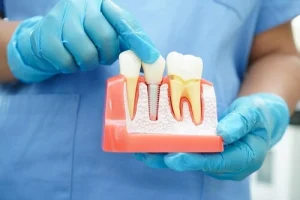
- Preparation: The dentist evaluates the condition of your jawbone, gums, and overall oral health. If you have gum disease or other medical conditions, they’ll address those first.
- Placement: The bone material is carefully placed into the grafted area. Sometimes, a small membrane is added to help protect the graft and encourage new bone formation.
- Healing: Your body gradually integrates the graft material, turning it into strong, healthy bone that can hold an implant.
- Implant Surgery: Once the bone is stable, a dental implant surgery can be performed to insert the titanium post into the jawbone.
In some cases, both the graft and implant surgery are done at the same time, depending on how much bone loss is present.
What to Expect After Surgery
After surgery, mild swelling, pain, and discomfort are completely normal. Most people notice swelling peaking during the first week, particularly between day two and day three after the procedure.
It’s also normal to have:
- Minor bruising around the jaw or cheek
- Slight bleeding at the surgical site
- A feeling of tightness or pressure near the graft site
- Difficulty chewing for a few days
Your dentist may prescribe antibiotics or suggest over-the-counter pain relief to help keep you comfortable while recovering.
How Long Does Swelling Last?
In most cases, swelling lasts around five to seven days, gradually decreasing by the end of the first week. You might notice slight puffiness for at least two weeks, especially if the procedure involved multiple areas or complex grafting near the sinus cavities.
If you experience increased swelling after a week, or if it becomes red, hot, or painful, it’s best to seek professional advice. These could be signs of infection or another issue that needs attention.
How to Reduce Swelling After a Dental Implant Bone Graft
There are several ways to reduce swelling and support a smooth healing process:
1. Use Ice Packs
Apply ice packs to your face for 15–20 minutes at a time during the first 24 hours after surgery. This helps limit inflammation and eases discomfort.
2. Keep Your Head Elevated
Try to keep your head elevated, especially while sleeping. Use an extra pillow or recline slightly to help fluid drain away from the surgical site and minimise swelling.
3. Rest and Avoid Strain
Rest is one of the most effective parts of post-operative care. Avoid intense activity or heavy lifting during the first few days so your body can focus on healing.
4. Follow a Soft Diet
Stick to soft foods and eat soft foods like soups, mashed potatoes, yoghurt, and smoothies. Avoid hard foods that may irritate the grafted area or cause bleeding.
5. Keep the Area Clean
A surgical site clean environment is crucial for proper healing. Follow your dentist’s instructions for daily cleaning and oral hygiene, which is usually gentle rinsing using warm salt water or a mild antiseptic mouthwash after the first 24 hours.
6. Avoid Smoking
Smoking slows healing, affects blood vessels, and increases the risk of implant failure. Try to avoid smoking for at least the first two weeks (longer if possible).
7. Maintain Oral Hygiene
Good oral hygiene reduces the chance of infection. Brush and floss your unaffected teeth as normal, but avoid the implant site until your dentist confirms it’s safe.
8. Get Enough Sleep
Your body heals most effectively during rest. Make sure you get enough rest to support recovery and tissue repair.
The Healing Timeline
The healing process after a bone graft happens in stages: 
- Initial Healing (First Week): Swelling and minor pain peak, then start to subside.
- Early Recovery (Two to Four Weeks): The grafted area stabilises, and soft tissue closes over the implant site. Continue following your dentist’s care instructions and soft diet guidelines.
- Bone Integration (Three to Six Months): The new bone begins fusing with your natural jawbone, forming a solid foundation for dental implant surgery.
Full integration may take several months, depending on your body’s healing response and any underlying medical conditions.
Preventing Complications
While most people heal without problems, proper post-operative care can reduce the chance of complications.
Keep the Surgical Site Clean
Avoid brushing directly over the implant site or graft site during the first few days. Instead, rinse gently with a dentist-approved solution to keep the area clean.
Avoid Smoking and Alcohol
Both habits slow healing and interfere with blood flow. If you smoke, stopping for the recovery week and beyond can make a major difference.
Manage Sinus Pressure
If your graft is near the sinus cavities, avoid blowing your nose too hard or sneezing forcefully. Gentle care helps prevent pressure changes that can disturb the grafted area.
Follow Up With Your Dentist
Attend all follow-up appointments to ensure the healing is progressing properly. Your dentist can look for any signs of infection, assess bone integration, and confirm implant readiness.
When to Call Your Dentist
Call your dentist if you experience:
- Swelling that worsens after the first week
- Severe pain that doesn’t improve with medication
- Ongoing bleeding or pus from the surgical site
- Bad taste or odour that persists
- Visible exposure of the bone graft material
- Trouble opening your mouth or swallowing
Prompt treatment can help prevent serious complications and support the long-term success of the implant.
Recovery Tips for Better Outcomes
Recovering well takes time and care. Here’s how to support healing. 
- Follow your dentist’s post-operative care instructions closely.
- Steer clear of hard foods and focus on soft foods during the first two weeks.
- Keep your head elevated when resting.
- Practice good oral hygiene and daily cleaning without disturbing the surgical site.
- Take antibiotics and medication as prescribed.
- Attend all follow-up care visits.
- Avoid smoking and limit alcohol to support healing.
The Long-Term Results
Once healed, your dental implants will feel and function like natural teeth, supported by strong bone and healthy gums. The grafted area becomes a stable part of your jawbone, allowing your implant to integrate fully.
With consistent care and routine check-ups, most patients achieve long-term results and better oral health.
Final Thoughts
Experiencing swelling after a dental implant bone graft is normal and usually part of the body’s healing process. With the right post-operative care, rest, and guidance from your dentist, your body can rebuild healthy bone and prepare for a long-lasting implant.
If you’re concerned about swelling after a dental implant bone graft or want to make sure your recovery is on track, book a consultation with us at Available Dental Care or call (02) 4601 3828. Our caring team can provide guidance, assess your healing, and help you feel confident about your next steps.
Note: Any surgical or invasive procedure carries risks. Before proceeding, you should seek a second opinion from an appropriately qualified health practitioner.
Resources
Watson, S. & Wyatt, A. D. Jr. (2024). ‘Gingivitis and Periodontal Disease (Gum Disease)’. WebMD, 9 February. New York, NY: WebMD LLC. https://www.webmd.com/oral-health/gingivitis-periodontal-disease
Cherney, K. & McLean, A. (2025). ‘10 Ways to Keep Your Teeth Healthy’. Healthline, 13 May. San Francisco, CA: Healthline Media. https://www.healthline.com/health/dental-and-oral-health/best-practices-for-healthy-teeth
Mayo Clinic Editorial Team. (2024). ‘Dental Implant Surgery’. Mayo Clinic, 23 October. Rochester, MN: Mayo Foundation for Medical Education and Research. https://www.mayoclinic.org/tests-procedures/dental-implant-surgery/about/pac-20384622