
After dental implant surgery, your diet plays a major role in how well and how quickly you heal. Many patients are surprised when their dentist advises them to avoid dairy products, a food group often associated with calcium and strong bones. But when it comes to the early stages of recovery, dairy may not be your friend.
This guide explains why no dairy after dental implant is recommended, what to eat instead, and how to promote proper healing while keeping your oral health on track.
Understanding the Dental Implant Procedure
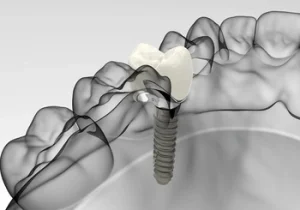
A dental implant is a small titanium fixture inserted into the jawbone to restore missing teeth. It acts as a stable foundation for a crown, bridge, or denture.
The dental implant procedure usually involves several stages, from implant placement surgery to the final restoration. The most delicate part of the journey is the initial healing period, where your bone begins to fuse with the implant (a process known as osseointegration).
During this time, maintaining a clean surgical site and following post-operative care instructions are critical. What you eat can either promote healing or increase the risk of irritation and infection.
 Why No Dairy After Dental Implant Surgery?
 Why No Dairy After Dental Implant Surgery?
The question “why no dairy after dental implant?” comes up often, and it’s not because dairy products are unhealthy. In fact, they contain vitamin D and calcium, both vital nutrients that help support bone health. The concern lies in how dairy interacts with the surgical area and the body during the early recovery phase.
Here’s why you should avoid dairy after dental implant surgery, at least for a few days:
1. Bacterial Growth and Contamination
Dairy products, especially milk and yoghurt, can encourage bacterial growth in the mouth. After dental surgery, your implant site is an open wound that needs to stay clean. Any bacterial contamination can delay the healing process and increase the risk of bacterial infection, potentially leading to implant failure.
2. Increased Mucus Production
Dairy is known to cause increased mucus production for some people. Excess mucus can make swallowing or breathing through the mouth more uncomfortable, especially right after implant surgery. It may also make it harder to keep the surgical site clean, affecting proper healing.
3. Stomach Sensitivity After Anaesthesia
After dental implant surgery, anaesthesia and pain management medications can temporarily upset your stomach. Consuming dairy products too soon can worsen nausea or cause bloating, which may interfere with your smooth recovery.
4. Bacterial Fermentation and Acidity
Some dairy products, like cheese or yoghurt, can become slightly acidic, altering your mouth’s pH balance. This acidic environment can slow tissue healing and promote bacterial growth near the surgical site.
Why a Soft Food Diet Matters After Dental Surgery
In the initial healing period, your mouth needs rest. Eating soft foods protects the implant site and supports good healing. Hard or chewy foods can disturb the blood clot that forms in the surgical area, which is essential for tissue repair. If this clot is dislodged, it could cause pain, infection, or delayed recovery.
Instead of dairy, focus on soft foods that are easy to chew and swallow, and don’t irritate the wound.
Here are some examples of what to eat:
- Mashed potatoes: smooth and filling, easy to eat without pressure on your jaw
- Cooked vegetables: soft, nutrient-rich options like carrots or pumpkin that are gentle on your mouth
- Ground meat or lean proteins: such as minced chicken or fish, which provide protein for tissue healing
- Soft fruits: bananas, ripe pears, or applesauce that require minimal chewing
- Soups and broths: warm (not hot) options that soothe and hydrate the mouth
While following a soft food diet, avoid crunchy foods, sticky foods, and spicy foods, as these can irritate the implant site or get trapped in the surgical area.
Dairy-Free Alternatives to Support Recovery
If you’re wondering how to maintain your bone health without dairy, don’t worry. There are many dairy-free alternatives packed with essential nutrients.
Some examples include:
- Almond milk or soy milk: great non-dairy alternatives that are often fortified with vitamin D and calcium.
- Tofu: a soft, protein-rich option that’s gentle on your mouth and supports tissue repair.
- Oat or coconut yoghurt: if you crave something creamy, choose dairy-free yoghurts without added sugar.
- Smoothies: blend soft fruits, nut-based milk, and protein powder for an easy-to-consume, nutrient-rich option.
By choosing these alternatives, you can maintain your nutritional intake while protecting the implant site during recovery.
Other Foods to Avoid After Implant Surgery
Your dentist will likely give you a list of dietary restrictions for post-surgery recovery. In addition to why no dairy, you should avoid certain foods that can slow healing or cause irritation:
- Hard foods (nuts, chips, raw vegetables): can damage the surgical area
- Chewy foods (bagels, toffees, or steak): may pull at the stitches or strain your jawbone
- Sticky foods (caramel, chewing gum): can attach to the implant site and attract bacteria
- Acidic foods (tomatoes, citrus fruits): can sting or inflame sensitive tissue
- Spicy foods: may irritate your mouth and delay tissue healing
- Very hot or cold foods: temperature extremes can cause discomfort and swelling
Following these post-operative care instructions will help you maintain overall oral health and support proper healing throughout the healing phase.
How Long Should You Avoid Dairy?
 Every patient’s recovery phase is different, depending on their body’s response, the complexity of the dental implant procedure, and their general oral health. In most cases, dentists recommend avoiding consuming dairy products for at least the first 48 to 72 hours after implant surgery.
After that, you can slowly reintroduce dairy if there are no signs of bacterial infection or stomach discomfort. Always check with your dentist before resuming dairy or other foods that might affect your healing process.
The Role of Nutrition in Long-Term Healing
Once the initial healing period passes, nutrition remains a big part of your successful recovery. Foods rich in lean proteins, vitamin D, and calcium help strengthen your jawbone and promote tissue repair.
A balanced diet also supports your overall oral health and reduces the chance of complications such as implant failure. Think of food as fuel for your recovery. Every bite counts toward keeping your dental implant healthy and stable.
Signs of Delayed Healing to Watch For
Even with careful post-operative care, problems can sometimes arise. Contact your dentist if you notice any of the following:
- Ongoing swelling or redness near the implant site
- Pus or unusual odour (signs of bacterial contamination)
- Pain that doesn’t improve after several days
- Difficulty eating soft foods or swallowing
- A loose dental implant or movement near the surgical area
These symptoms might indicate a problem with the healing process or bacterial infection, and prompt treatment can help prevent implant failure.
The Takeaway: Dairy and a Smooth Recovery
 Avoiding dairy after dental implant surgery may feel unusual, but it’s a short-term step that helps ensure smooth recovery. The goal is to protect the surgical site, prevent bacterial growth, and support tissue healing during the healing phase.
By following your dentist’s post-operative care instructions, sticking to a soft food diet, and choosing dairy-free alternatives, you’ll support good healing and set yourself up for a successful recovery.
If you’re concerned about what to eat after dental implant surgery or want guidance on how to support a smooth recovery, book a consultation with us at Available Dental Care or call (02) 4601 3828. Our team can help you understand what to expect during healing and how to protect your new implant for lasting comfort and function.
Note: Any surgical or invasive procedure carries risks. Before proceeding, you should seek a second opinion from an appropriately qualified health practitioner.
Resources
WebMD Editorial Contributor. (2025). ‘What Is a Soft Food Diet?’. WebMD, 26 July. New York, NY: WebMD LLC.
https://www.webmd.com/diet/what-is-a-soft-food-diet
Mayo Clinic Staff. (2024). ‘Oral health: A window to your overall health’. Mayo Clinic, 14 March. Rochester, MN: Mayo Foundation for Medical Education and Research.
https://www.mayoclinic.org/healthy-lifestyle/adult-health/in-depth/dental/art-20047475
Nall, R. (2025). ‘Pain Relief Basics’. Healthline, 4 September. San Francisco, CA: Healthline Media.
https://www.healthline.com/health/pain-relief