

For many people with missing teeth, loose traditional dentures or long-term discomfort, snap-in dentures offer a practical and reliable alternative. These prosthetic teeth are supported by dental implants, giving a more secure and functional smile. Looking at snap in dentures before and after results can help you picture how they improve comfort, appearance and daily confidence.
This detailed guide explores how snap-in dentures work, what the treatment involves, how the healing process unfolds and what most patients observe after the final fitting. You will also learn about maintenance tips, a typical timeline and how many implants are usually needed to support your new denture.
What Are Snap-In Dentures
Snap-in dentures, also called implant dentures, removable implant dentures, or snap-in implant dentures, are a type of removable implant denture designed to clip securely onto implant inserts in the jaw. Unlike traditional dentures that rely on suction or adhesives, snap-in dentures attach to titanium implants placed in the bone. This design helps reduce issues such as dentures falling, rubbing or shifting.
Why People Choose Snap In
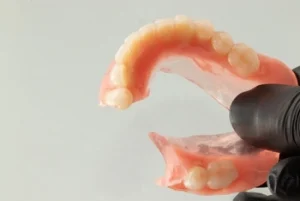 Traditional dentures typically sit on the gum tissue and can be prone to movement. This may lead to sore spots, difficulty chewing and a lack of confidence in social settings. Snap-in dentures offer improved stability because the implants hold the denture in position. This allows you to enjoy food more comfortably, speak more clearly and smile without concern.
Many people also appreciate that upper denture palate-removal designs are available, which means the roof of the mouth is not covered. For people with a severe gag reflex, this can be a major advantage, making the denture feel far more natural.
Snap-In Dentures Before and After
Before the procedure, most patients experience looseness, discomfort, or chewing difficulties. Some deal with gum irritation, while others are unable to enjoy certain foods. Looking at smile gallery images and actual patients can give a realistic idea of the improvements that occur once snap-in dentures are placed.
After treatment, snap-in dentures typically offer far greater stability. Patients often describe improved confidence, better function and a more youthful appearance due to enhanced facial support. Whether you are replacing a lower denture, creating a new denture or upgrading from removable dentures, the before-and-after improvement can be significant.
A Closer Look at the Treatment Process
Understanding how snap-in dentures are planned, placed and fitted can help you feel more confident about the journey ahead. Each stage plays an important role in creating a stable and functional smile, from the first oral examination to the moment your new teeth securely attach to the implants. The following steps outline what most patients can expect throughout the process.
Step 1: Consultation and Oral Examination
The process begins with a full oral examination, medical history review and discussion of your goals. The dentist assesses gum tissue, remaining teeth, bone levels and overall oral health. This helps determine how many implants are required and whether any oral surgery procedures are needed, such as removing damaged teeth or preparing the bone.
Step 2: Planning the Implants
Implant-retained dentures rely on titanium implants or zirconia implants to secure the denture. The number of implants varies, but lower snap-in denture designs commonly use two to four implants. Upper dentures may require more implants due to the structure of the upper jaw. Your dentist will explain how many implants are needed to support your new teeth.
Step 3: Implant Placement
During the implant placement procedure, the implants are positioned into the jawbone. Once placed, the healing process begins as the bone attaches to the implants, helping them become stable anchors. Most patients report manageable discomfort and may be offered oral conscious sedation if they prefer a calm experience during the visit.
Step 4: Healing and Temporary Teeth
During healing, small healing abutments or healing abutments may be attached to help shape the gum tissue. Your mouth heals around these components while the implants strengthen. You may wear a temporary new denture during this phase. The dentist will guide you through proper cleaning using a soft dental brush, a very soft dental brush or a soft-bristle toothbrush to maintain hygiene without disturbing the healing sites.
Step 5: Fitting Your Snap-In Dentures
Once the implants are strong and the gum tissue has properly shaped, denture abutments are placed. These allow snap rings in the denture to attach securely. Your final prosthetic teeth are adjusted so that they look natural, feel comfortable and blend with your facial features. A quick post-operative appointment ensures that everything fits well and that you feel confident with your new teeth.
 How Snap-In Dentures Improve Daily Life
 How Snap-In Dentures Improve Daily Life
Understanding how snap-in dentures improve daily life helps you appreciate the full impact of this treatment. Beyond the initial changes, many patients notice lasting changes in comfort, function and confidence once their implant-supported dentures are in place. These everyday benefits often make the treatment feel worthwhile and rewarding.
Better Stability and Function
One of the major benefits of snap is improved stability. Since the denture is supported by implants, chewing becomes easier and more comfortable. Many people who previously struggled with dentures vs fixed restorations are surprised by how secure snap-in dentures feel.
More Natural Appearance
The improved fit helps enhance facial structure, restoring support that may have been lost due to bone loss. As the implants help the bone stay active, they can reduce future bone changes. The appearance of natural teeth is more achievable when the denture stays in place without slipping.
Enhanced Comfort
With the upper denture’s palate removed, you can taste food better and speak more comfortably. People with a severe gag reflex often find this design much easier to tolerate. Lower denture designs also benefit from added stability and are less likely to shift during meals.
Reduced Worry About Dentures Falling
Implant inserts help prevent the denture from moving unexpectedly. This means fewer concerns about dentures falling or slipping during daily activities, contributing to improved confidence and comfort.
The Healing Process: What Most Patients Experience
Healing varies, but most patients notice gradual improvement over several months. As the bone attaches to the implants, they become stronger and better able to support the denture. Some experience mild hot and cold sensitivity, but this typically fades as the mouth heals.
Regular visits are important so that the dentist can monitor healing, check the gums and ensure the denture continues to fit well. These appointments are essential for avoiding complications, as implants fail more often when proper aftercare is not maintained.
Caring for Snap-In Dentures: Keeping Them Clean and Healthy
Daily care keeps the denture and implants in good condition. A denture brush or a very soft-bristle toothbrush can help remove plaque from the denture surface. Use a soft dental brush or soft-bristle toothbrush to clean around the denture abutments and gum tissue. The goal is to keep the mouth clean without causing irritation.
Removing the denture nightly helps the gums rest. Soaking the denture according to your dentist’s recommendations helps maintain cleanliness and prevents odour buildup.
Regular check-ups allow the dentist to inspect the implants, the snap rings and the overall condition of the denture. Adjustments may be needed over time to keep the dentures fit comfortably.
Who Is a Suitable Candidate: Understanding Eligibility
Snap-in dentures are often suitable for people with missing teeth who want a more stable solution than traditional dentures. They are also helpful for people who cannot tolerate a mouth covered by the upper denture’s palate.
Ideal candidates have healthy gum tissue and enough bone to support implants. If there is bone loss, the dentist may recommend preparatory treatments that help produce bone for improved support.
Your medical history is carefully reviewed to ensure implants are safe and appropriate. Most patients with good oral health and realistic expectations are eligible for removable implant dentures.
Common Questions About Snap-In Dentures: Before and After Results
Many people considering snap-in dentures want a clear idea of the changes to expect. These common questions offer simple guidance on the process and the before-and-after results.
How many implants are needed
The number varies depending on whether the denture is for the upper or lower jaw. Lower snap-in denture designs often use two to four implants, while upper dentures may require more.
Will it look natural
Yes. Snap-in dentures are designed to blend with your natural teeth and facial structure. Many patients see a noticeable improvement in appearance.
Is the procedure painful?
Discomfort is usually manageable. Sedation may be offered to create a calm experience.
How long does the process take
This depends on healing time, implant placement and the final denture design. Your dentist will provide a personalised timeline.
Life After Snap-In Dentures: What Most Patients Notice
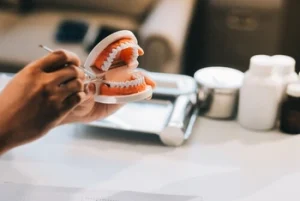
After treatment, patients often report improved confidence, more comfortable eating and a smile that feels secure. The difference between snap-in dentures before and after can be dramatic, particularly for people who struggled with loose dentures for many years.
The result is a functional smile that supports better oral health and daily comfort. Whether you need an upper denture, lower denture or both, snap-in dentures offer a reliable option for restoring your smile.
Final Thoughts: Moving Forward With Confidence
Snap-in dentures provide a comfortable and stable alternative to traditional dentures. With proper examination, planning and aftercare, most patients enjoy reliable improvements in function, comfort and appearance. Reviewing snap-in dentures before and after images can help you imagine what life may look like with secure new teeth that stay in place.
If you are interested in exploring your options, consider scheduling a consultation with Available Dental Care at (02) 4601 3828. This allows you to learn whether snap-in dentures are right for you, understand the treatment steps and ask questions about the healing process, implant placement and long-term care.
Note: Any surgical or invasive procedure carries risks. Before proceeding, you should seek a second opinion from an appropriately qualified health practitioner.
References
Oral-B. (n.d.). Types of toothbrush bristles: Soft, medium, and hard. Retrieved from https://www.oralb.com.sg/en-sg/learn/why-oral-b/electric-toothbrushes/choosing-the-best-bristles
Crest. (n.d.). What do healthy gums look like? Oral care tips. Retrieved from https://crest.com/en-us/oral-care-tips/what-do-healthy-gums-look-like/?srsltid=AfmBOoprGsZ6-gpA1aY8kZtUevBSUkubP38yj7GWqR7RfMaec9A_0Bum
Mayo Clinic. (n.d.). Dental implant surgery: About the procedure. Retrieved from https://www.mayoclinic.org/tests-procedures/dental-implant-surgery/about/pac-20384622
WebMD. (2025). Snap-in dentures: Benefits, cost, and care explained. Retrieved from https://www.webmd.com/oral-health/what-to-know-about-snap-in-dentures