

If you are exploring tooth replacement options, you may be wondering what snap-in dentures are and how they compare to other solutions. Snap-in dentures are a modern type of tooth replacement that combines the stability of dental implants with the flexibility of removable dentures. They are designed for people who have experienced tooth loss, struggle with loose dentures, or want a more secure way to replace missing teeth.
Unlike traditional dentures, which rest directly on the gums, snap-in dentures attach to dental implants placed in the jaw. This connection allows the denture to “snap in” for a secure fit, while still being removable for cleaning.
What are snap in dentures? In this guide, we explain how snap-in dentures work, the snap-in denture procedure, how many implants are needed, who they suit best, how they compare to other treatment options, and what to expect during healing.
What Are Snap-In Dentures?
Snap-in dentures, also called snap-on dentures, implant dentures, or implant-supported dentures, are a type of removable implant dentures. They are different from standard dentures because they connect to implants placed into the jawbone instead of relying only on suction or adhesive.
Once the implants are placed and healed, the denture attaches to them using special connectors. The denture “snaps in” for stability and can be removed when needed. This makes them a popular option for many patients who want the security of implants without committing to fixed bridges.
Snap-in dentures can be used for a lower denture, an upper denture, or both, depending on the patient’s needs.
How Snap-In Dentures Work Compared to Traditional Dentures
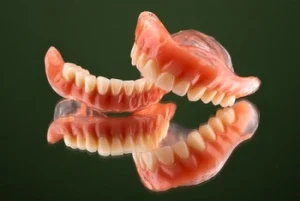 With traditional dentures, the denture base sits directly on the gum tissue. On the upper arch, the denture usually covers the roof of your mouth. On the lower arch, there is no suction area, so movement is more common.
Over time, the jawbone naturally shrinks due to bone loss after tooth loss, which can cause traditional dentures to become loose. This can lead to discomfort, difficulty speaking, and problems with chewing.
With snap-in, the denture is held in place by implant-supported anchors in the bone. This improves:
- Stability when eating
- Confidence when speaking
- Comfort for the gums
- Chewing strength
- Overall function compared to the mouth compared to standard dentures
For people who struggle with loose dentures, snap-in dentures are often a major improvement.
What Is the Snap-In Denture Procedure?
The snap-in denture procedure involves several stages and is carefully planned based on your medical history, bone levels, and treatment goals.
Step 1: Assessment and Planning
Your dentist will examine your teeth, gums, and jawbone using scans and X-rays. They will assess:
- The condition of your remaining teeth
- The amount of bone available
- Any areas of advanced bone loss
- Whether implants are suitable
- Your general oral health and medical health
At this stage, different treatment options will be discussed, including whether snap-in dentures or full mouth dental implants are more suitable.
Step 2: Implant Placement
The required number of dental implants is placed into the jawbone through a small surgical procedure. These implants act as artificial tooth roots.
Common implant numbers include:
- Two implants for a lower snap-in denture
- Four implants for added support
- More implants when extra stability is required
The question of how many implants are needed depends on bone strength, bite force, and denture size.
Step 3: Healing Process and Osseointegration
After surgery, the healing process begins. During this time, the process called osseointegration occurs. This is when the bone grows around the implant surface, locking it firmly into place.
This stage is critical for long-term success and usually takes several months. During this time, patients may wear a temporary new denture while healing continues.
Step 4: Fitting the Snap-In Denture
Once healing is complete, the final removable implant denture is created and attached to the implants. The denture snaps securely into place and can be removed for cleaning.
At this point, many patients experience major improvements in comfort, speech, chewing, and confidence.
How Many Implants Are Needed for Snap-In Dentures?
The number of implants required can vary depending on:
- Whether the upper or lower jaw is being treated
- The amount of bone present
- Bite forces
- Whether the denture is full or partial
- Whether more implants are needed for stability
Common setups include:
- Two implants for a lower snap-in denture
- Four implants for increased retention
- Additional implants if support needs are higher
Your dentist will guide this decision after reviewing your scans.
What Happens if Implants Fail?
While implant success rates are high, implants fail in a small number of cases. Reasons can include infection, poor bone quality, smoking, uncontrolled medical conditions, or failure of osseointegration.
If an implant fails, it does not always mean treatment ends. In many situations, the implant can be replaced after healing, or alternative support options may be used.
This is one reason why careful planning and monitoring during the healing process are so important.
Snap-In Dentures vs Fixed Implant Dentures
It is helpful to understand the difference between snap-in and fixed implant dentures.
Snap-In Dentures:
- Are removable.
- Attach to implants.
- Easier to clean.
- Lower upfront dentures cost.
- Often use two or four implants.
Fixed Implant Dentures:
- Are not removable.
- Use more implants.
- Function more like natural teeth.
- Higher treatment cost.
- Often used for full mouth dental implants.
Both options improve function compared to false teeth that sit on the gums alone.
Snap-In Dentures vs Conventional Dentures
Conventional dentures rely on suction and fit alone. Over time, bone shrinkage causes movement and discomfort. People often experience:
- Poor chewing ability
- Difficulty with speech
- Sore gums
- Movement while eating
- Reduced confidence when wearing dentures
Snap-in dentures solve many of these issues by anchoring to implants.
Lower Denture Stability with Snap-In Dentures
The lower denture is where snap-in dentures often make the biggest difference. Lower dentures are traditionally the most unstable due to tongue movement and limited suction. With just two implants, many patients notice that their lower denture feels far more secure during everyday activities such as eating and speaking. This added stability is why snap-in dentures are especially popular for the lower jaw.
Caring for Snap-In Dentures
Proper cleaning is essential for long-term success. Patients are advised to:
- Remove the denture daily.
- Clean it using a soft-bristle toothbrush.
- Clean the implants gently.
- Keep the gums healthy.
- Avoid harsh abrasives.
Good daily care protects the implants, the denture, and the surrounding gum tissue.
Can Snap-In Dentures Look Natural?
Yes. A major advantage of modern implant dentures is their natural appearance. Today’s materials are designed to closely mimic natural teeth in:
- Shape
- Colour
- Light reflection
- Proportion
For many patients, this creates a major smile makeover, restoring facial support and confidence.
Who Is a Suitable Candidate for Snap-In Dentures?
Snap-in dentures are commonly used for people who:
- Have multiple areas of tooth loss.
- Have experienced bone shrinkage.
- Struggle with loose dentures.
- Want removable implant support.
- Want an alternative to full fixed bridges.
However, suitability depends on:
- Medical history
- Bone density
- Gum health
- Smoking history
- Healing ability
Your dentist will assess these factors carefully.
What If There Is Not Enough Bone?
If scans show that there is not enough bone to support implants, additional procedures such as bone grafting may be required before implants can be placed.
This adds time to the overall treatment, but helps improve long-term implant stability.
What About the Roof of Your Mouth?
For upper snap-in dentures, some designs still cover the roof of your mouth, while others can be shaped to reduce coverage. The final design depends on bone structure, implant position, and bite forces.
Removing heavy palate coverage can improve taste sensation and comfort for many patients.
Are Snap-In Dentures Painful?
The implant placement procedure is done using local anaesthetics. Mild swelling and discomfort can occur during early healing, but this settles as the tissue recovers.
Once healed, most patients report that snap-in dentures feel comfortable and secure.
How Long Do Snap-In Dentures Last?
With good care, snap-in dentures can last many years. Over time, the denture teeth may wear and need replacement, while implants themselves can last decades if maintained properly.
What Is the Cost of Snap-In Dentures?
Denture costs can vary depending on:
- Number of implants.
- Whether upper, lower, or both arches are treated.
- Need for bone grafting.
- Type of denture materials used.
- Case complexity.
Snap-in dentures typically cost more than conventional dentures, but less than fixed full-arch implant bridges.
What If I Have Some Remaining Teeth?
People with some remaining teeth may still be able to use snap-in dentures as part of a partial implant-supported denture design. This allows natural teeth and implants to work together to stabilise the denture.
What Is the Healing Time Like?
The healing process includes:
- Initial gum healing after implant surgery
- Osseointegration over several months
- Final denture fitting
Temporary dentures can often be worn during healing so that patients are not without teeth.
Are Snap-In Dentures Right for Everyone?
Not everyone is suited to snap-in dentures. Some patients may be better suited to fixed bridges, partial dentures, or other implant-supported solutions depending on bone levels, bite, and health history.
This is why a personalised treatment plan is always required.
Can Snap-In Dentures Replace Full-Mouth Dental Implants?
Snap-in dentures are different from full-mouth dental implants, which typically involve fixed teeth attached to multiple implants. Snap-in dentures remain removable.
Some patients begin with snap-in dentures and later upgrade to fixed systems if their needs change.
Living With Snap-In Dentures Day to Day: What Actually Changes in Real Life
One of the biggest questions people have is not just how snap-in dentures work, but how life actually feels once they are wearing them every day. The physical mechanics are only part of the story. What changes for many patients is how they eat, speak, interact socially, and feel about themselves from morning to night.
For people who have lived with false teeth, loose dentures, or long-term tooth loss, there is often a gradual loss of confidence that builds over time. Many avoid certain foods, laugh less freely, or become highly aware of their mouth when speaking. This can affect personal relationships, work confidence, and even simple social moments. Snap-in dentures often change this experience in practical ways.
Eating and Chewing in Daily Life
Before snap-in dentures, many patients adjust their eating habits without even realising it. They choose softer foods, avoid biting with the front teeth, and chew slowly to prevent denture movement. Foods like apples, steak, crusty bread, and salad often become difficult or uncomfortable.
With snap-in dentures anchored to implants, the denture no longer lifts or shifts as easily because the force is directed into the jawbone rather than the gums.
While snap-in dentures still differ from natural teeth, the daily eating experience often feels far more predictable than with traditional removable designs.
Speaking Clearly Without Self-Consciousness
Speech is another area where denture stability plays a major role. With conventional dentures, some patients notice clicking sounds, shifting during speech, or difficulty pronouncing certain words. This often leads to people speaking more quietly, limiting conversation, or avoiding public speaking situations.
Because snap-in dentures remain stable against the implants, many people notice clearer speech patterns once they adjust. The tongue can move more naturally without compensating for denture instability, and airflow patterns stabilise. Over time, speech usually becomes more relaxed and natural again.
Social Confidence and Emotional Impact
One of the most overlooked aspects of snap-in dentures is the emotional shift that often follows improved stability. Tooth loss not only affects function, but it also affects identity. Smiling, laughing, eating, and even resting facial posture all change when teeth are missing, or dentures feel unreliable.
 After transitioning to snap-in dentures, many patients describe:
- Smiling more freely
- Feeling less anxious in social settings
- Reduced worry about dentures slipping
- Improved self-image during conversation
- Greater comfort when being photographed
This emotional adjustment does not happen instantly. It usually develops gradually as trust builds in the stability of the denture. The psychological benefit often becomes just as important as the physical improvement.
Taste Sensation and Oral Awareness
Taste perception is another area that can shift. With some upper traditional dentures, coverage over the palate can dull taste sensation because the roof of the mouth contains important sensory receptors. Depending on the denture design, snap-in dentures may reduce palate coverage, allowing better contact between food and taste receptors.
Many patients report that food feels more enjoyable, textures are easier to sense, and temperature perception improves once bulky palate coverage is reduced.
Summary: What Are Snap-In Dentures?
So, what are snap-in dentures? They are a modern tooth replacement option that combines the stability of implant-supported dentures with the convenience of removable designs. By attaching to support dental implants, they provide greater comfort and function than traditional dentures or conventional dentures.
They are especially helpful for the lower denture, improve speech and chewing, slow bone loss, support a natural-looking smile makeover, and offer flexibility for cleaning.
For many patients, snap-in dentures create a major step forward in comfort, confidence, and quality of life.
If you’re exploring snap-in dentures or would like personalised advice on the most suitable tooth replacement option for your needs, you can book a consultation with us at Available Dental Care or call (02) 4601 3828 to talk through your options.
Note: Any surgical or invasive procedure carries risks. Before proceeding, you should seek a second opinion from an appropriately qualified health practitioner.
Resources
Mayo Clinic Staff (2024). ‘Dental Implant Surgery’. Mayo Clinic, 23 October. Rochester, MN: Mayo Foundation for Medical Education and Research.
https://www.mayoclinic.org/tests-procedures/dental-implant-surgery/about/pac-20384622
Colgate Editorial Team (n.d.). ‘Understanding Bone Grafts for Dental Implants’. Colgate Oral Care Center, United States. New York, NY: Colgate-Palmolive Company.
https://www.colgate.com/en-us/oral-health/implants/bone-graft-for-dental-implants-understanding-the-possibility
Cherney, K. & McLean, A. (2025). ‘10 Ways to Keep Your Teeth Healthy’. Healthline, 13 May. San Francisco, CA: Healthline Media. Medically reviewed by Jennifer Archibald, DDS.
https://www.healthline.com/health/dental-and-oral-health/best-practices-for-healthy-teeth
Cleveland Clinic Editorial Team (2024). ‘Tooth Loss’. Cleveland Clinic, 20 August. Cleveland, OH: Cleveland Clinic Foundation.
https://my.clevelandclinic.org/health/diseases/tooth-loss
Australian Dental Association (2025). ‘Dentures’. Teeth.org.au, 2025. Australian Dental Association. https://www.teeth.org.au/dentures