

If you are comparing teeth replacement options, you may be researching the pros and cons of snap-on dentures to decide whether they suit your needs. Snap-on dentures are also known as implant-retained dentures, removable implant dentures, or removable implant-supported dentures. They offer a middle ground between traditional dentures and fixed implant-supported dentures.
These dentures use dental implants placed into the jawbone to hold the denture in place, providing more stability than regular dentures. They are commonly chosen by people with missing teeth who want better comfort without committing to a fully fixed implant denture.
This guide explains the full pros and cons, how they compare with other dentures, what the surgical procedure involves, and what to consider before choosing snap-on dentures.
What Are Snap-On Dentures?
Snap-on dentures are a type of implant dentures that attach to dental implants placed into the jaw. Instead of resting only on the gums like conventional dentures, these dentures “snap in” to special connectors on the implants.
They are still removable dentures, meaning you take them out for cleaning. This makes them different from permanent dentures or fixed implant-supported dentures, which stay in place at all times.
Snap-on dentures can be used for the upper jaw, the lower jaw, or both. They can replace a full arch of false teeth or work as part of a partial system where some natural teeth remain.
How Snap-On Dentures Work
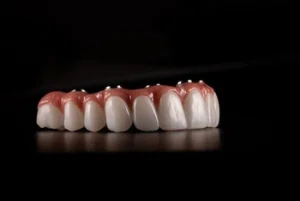 The process begins with implant placement, where titanium posts are inserted into the jawbone through a surgical procedure. These implants act as artificial tooth roots.
Once the implants are in place, the body enters a healing phase during which bone grows around the implants. This process improves stability and helps prevent further bone loss.
After healing, a temporary denture may be worn before the final denture is fitted. The finished denture contains clips that connect to the implants, creating a firm but removable fit.
Some patients need two implants, while others benefit from four implants, depending on their bite, bone strength, and denture design.
Pros of Snap-On Dentures
Understanding the benefits helps balance the snap-on dentures’ pros and cons clearly.
More Stability Than Regular Dentures
Snap-on dentures are far more secure than traditional dentures. Because they attach to implants, they are less likely to move while speaking or eating.
Improved Chewing Strength
With removable implant dentures, pressure is directed into the bone rather than only onto the gum tissue, making chewing more efficient.
Less Bone Loss Over Time
Standard dentures can allow continued bone loss because the jaw bone no longer receives chewing pressure. Dental implants transfer biting force into the bone, helping maintain bone density and slow further bone loss over time.
Better Comfort
Because they do not rely only on the gums for support, many people find removable implant-supported dentures more comfortable than conventional dentures.
Easier Cleaning
As a removable implant, snap-on dentures can be taken out for daily cleaning, helping support oral health.
A Middle Option Between Dentures vs Fixed Implants
When comparing dentures vs fully fixed options, snap-on dentures offer a balance between flexibility and strength without becoming a fully fixed implant denture.
Cons of Snap-On Dentures
Now, let’s look at the cons of snap-on dentures so you can make a realistic decision.
Require Surgery
One major downside is that they require surgery. The implant surgery itself is a medical procedure and not suitable for everyone.
Healing Time
Because implants are placed into the jaw, healing takes time. Some patients may need a second surgery if adjustments are required.
Cost
The cost of snap-on dentures is higher than that of standard dentures. While they are not as expensive as full fixed bridges, they still involve surgical fees, implant components, and lab costs.
Bone Requirements
Not everyone has enough bone for implant placement. If bone levels are low, bone grafting may be required before treatment can proceed.
Maintenance
The attachment components can wear over time and may need replacement. This is part of long-term care for implant-retained dentures.
Snap-On Dentures vs Traditional Dentures
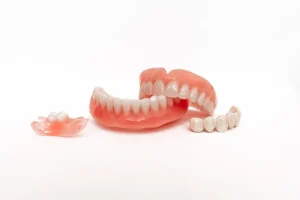 When comparing snap-on dentures vs traditional dentures, the key difference is stability.
- Traditional dentures sit directly on the gums.
- They often rely on suction or adhesion.
- They may shift during chewing.
- They can contribute to further bone loss.
Snap-on dentures attach to implants and reduce movement significantly. They are often preferred by patients who struggle with loose lower dentures.
Snap-On Dentures vs Fixed Implant-Supported Dentures
Fixed implant-supported dentures are not removable by the patient. They are secured permanently to multiple implants and function more like natural teeth.
Snap-on dentures:
- Are removable.
- Easier to clean.
- Lower cost.
- Fewer implants needed.
Fixed implant dentures:
- Are permanent.
- Require more implants.
- Cost more.
- Feel closest to natural teeth.
Both are valid teeth replacement options, depending on the patient’s goals.
Do Snap-On Dentures Cover the Roof of Your Mouth?
Some upper implant-supported dentures still cover part of the roof of your mouth, while others do not. This depends on the denture design and implant positions.
Reducing palate coverage can improve taste and comfort for many patients.
Who Is a Suitable Candidate?
You may be suited to snap-in dentures if you:
- Have multiple missing teeth.
- Have sufficient bone density.
- Are medically fit for a surgical procedure.
- Want a permanent solution that is still removable.
Your jawbone, medical history, and healing ability all affect suitability.
What If Bone Grafting Is Needed?
If there is not enough bone for implant placement, bone grafting may be required. This helps rebuild the bone so that implants can be placed securely later.
This adds time to the treatment process but improves long-term results.
What Materials Are Used?
Snap-on dentures are commonly made using acrylic resin for the denture base and teeth. This material is lightweight, durable, and adjustable.
The implants themselves are made from medical-grade titanium.
Is a Temporary Denture Used?
Yes. A temporary denture is often worn during healing before the final denture is attached to the implants. This allows patients to maintain appearance and function while bone integration occurs.
What Happens to the Gums?
Because pressure is transferred through the implants rather than onto the gums alone, gum irritation is often reduced compared to standard dentures. Good oral hygiene remains essential for protecting gum tissue and implant health.
Are Snap-On Dentures a Permanent Solution?
Snap-on dentures are considered a permanent solution in the sense that implants are long-term. However, the denture itself may need replacement over time due to wear.
They differ from permanent dentures, which are completely fixed and not removable.
Final Thoughts
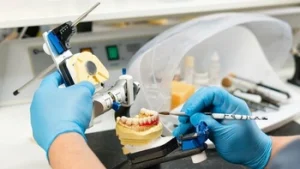 Snap-on dentures provide a reliable teeth replacement option for people who want more stability than standard dentures without committing to a fully fixed implant-supported dentures system. They improve chewing, help protect the jawbone, and provide greater comfort in everyday life.
If you are weighing up dentures vs implants and want a removable yet secure option, snap-on dentures may be worth discussing with your dentist. A personalised assessment is the appropriate way to determine whether you have enough bone and whether this approach suits your long-term oral health.
If you’re weighing up the pros and cons of snap-on dentures or would like help choosing the most suitable teeth replacement option for your needs, you can book a consultation with us at Available Dental Care or call (02) 4601 3828 to talk through your options.
Note: Any surgical or invasive procedure carries risks. Before proceeding, you should seek a second opinion from an appropriately qualified health practitioner.
Resources
“Mayo Clinic Staff (2024). ‘Dental Implant Surgery’. Mayo Clinic, 23 October. Rochester, MN: Mayo Foundation for Medical Education and Research. https://www.mayoclinic.org/tests-procedures/dental-implant-surgery/about/pac-20384622″
“Cleveland Clinic Editorial Team (2024). ‘Dental Bone Graft’. Cleveland Clinic, 6 August. Cleveland, OH: Cleveland Clinic Foundation. https://my.clevelandclinic.org/health/treatments/21727-dental-bone-graft”
“Colgate Editorial Team (2023). ‘What Is Good Oral Hygiene?’. Colgate, 9 January. New York, NY: Colgate-Palmolive Company. https://www.colgate.com/en-us/oral-health/adult-oral-care/what-is-good-oral-hygiene”