
Having your wisdom teeth removed is a common surgical procedure, but the days following wisdom tooth extraction can feel confusing, especially when it comes to cleaning your mouth. Many patients ask when they can use mouthwash after wisdom teeth removal, how to keep the area clean, and what helps reduce the risk of complications. The good news is that with the right steps, you can support the healing process and avoid unnecessary issues.
This guide explains when to rinse, what to avoid, how to manage discomfort, and why gentle cleaning is key after wisdom tooth surgery.
Why You Should Avoid Mouthwash Immediately After Wisdom Tooth Removal
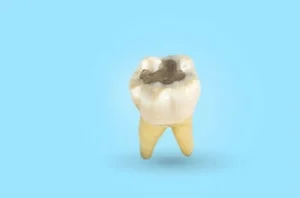 Right after a tooth removal procedure, the most important part of healing is the formation of a blood clot. This clot protects the affected area, keeps out food particles, and provides the blood cells needed to promote healing. If the clot becomes dislodged, it can expose the bone and nerves, leading to a painful condition known as dry socket.
Because rinsing can disturb the clot, you should avoid vigorous mouth rinsing for at least the first 48 hours. Using mouthwash after wisdom teeth removal too early, especially an alcohol based mouthwash, can irritate the tender tissues and increase the risk of excessive bleeding, irritation, or delayed healing.
Most dentists advise waiting until they give specific instructions before you use mouthwash. Until then, focus on rest, gentle cleaning, and protecting the clot.
How to Clean Your Mouth Safely in the First 48 Hours
Even though you must be careful, maintaining oral hygiene after wisdom tooth removal is still important to prevent infection and support the healing process.
Here’s how to keep the area clean without causing unnecessary pain:
Keep brushing the other teeth normally
Brush your teeth as usual, but avoid the surgical sites. This helps maintain good oral hygiene without harming the healing area.
Do not rinse your mouth
Resist the urge to rinse your mouth, spit forcefully, or swish liquids. All these movements can dislodge the developing clot.
Manage swelling and discomfort
You may feel discomfort or notice swelling in the first couple of days. You can place ice packs on the outside of your face in short intervals to reduce swelling. Follow your dentist’s advice if you are taking prescribed pain medications or other pain medication for severe pain.
Take prescribed antibiotics if given
Some patients receive prescribed antibiotics after wisdom tooth surgery to prevent infection. Always follow the timing and dosage recommended by your dentist.
Although early cleaning is limited, these steps help you control bacteria in the mouth while keeping the surgical area protected.
When You Can Start Rinsing and How to Do It Safely
After the first 48 hours, many dentists recommend starting a warm saltwater rinse. This should still be gentle, and you must follow any post-operative instructions given to you.
Saltwater rinses help keep the mouth clean, loosen food debris, soothe irritated tissues, and support healing.
 Here’s how to do it:
- Warm a cup of water
- Add half a teaspoon of salt
- Stir until the salt dissolves
- Gently tilt your head and let the liquid bathe the area
- Let the rinse fall from your mouth without forcefully spitting
This simple step can help the mouth heal faster and cause less discomfort compared to strong mouthwashes.
If your dentist advises you to use mouthwash, choose one that is alcohol free and gentle so the area does not become irritated. Always follow their advice because every post-operative case is different.
Eating, Drinking, and Other Habits That Influence Healing
After wisdom teeth are removed, what you eat and how you care for your mouth will directly affect healing. Sticking to a soft diet in the first days helps protect the area and prevents pressure on the jaw muscles.
Many patients find foods like scrambled eggs, yoghurt, smoothies, and soups easier to manage. Avoid crunchy foods because they can leave food particles behind or become trapped around the extraction site.
It is also important to:
- Drink plenty of water to stay hydrated
- Avoid hot drinks that may trigger slight bleeding
- Avoid smoking because it slows healing and increases the risk of dry socket
- Be cautious with straws, as suction can disturb the clot
Following these steps reduces irritation, gives you less discomfort, and supports a smoother recovery.
How Long Does It Take to Become Fully Healed
Healing times vary depending on how complex the surgery was, whether the tooth was impacted, and how closely you follow your dentist’s instructions. In most cases, the area becomes less tender within a week, though deeper healing takes several weeks.
Your dentist will advise you when it is safe to resume your normal cleaning routine and when to return for a review. If you experience increasing pain, bleeding, or signs of infection, it is important to contact your dentist promptly.
Once the area is fully healed, you will be able to brush, floss, and use mouthwash as normal without discomfort.
Final Thoughts
 Using mouthwash after wisdom teeth removal is safe, but only once the initial healing stage has passed and your dentist confirms it is appropriate. Protecting the blood clot, following post-operative instructions, and keeping the mouth clean in gentle ways will significantly reduce your risk of complications. With the right habits, you can support the healing process and return to normal routines with confidence.
If you’re concerned about caring for your mouth after wisdom teeth removal or want guidance that helps your healing feel smoother, you can book a consultation with us at Available Dental Care or call us on (02) 4601 3828.
Note: Any surgical or invasive procedure carries risks. Before proceeding, you should seek a second opinion from an appropriately qualified health practitioner.
Resources
“Colgate Oral Care Team. (n.d.). ‘Soft Food Diet Options: What To Eat After Dental Treatment’. Colgate, n.d. New York, NY: Colgate-Palmolive. https://www.colgate.com/en-us/oral-health/nutrition-and-oral-health/soft-food-diet-options-what-to-eat-after-dental-treatment”
“Cleveland Clinic Staff. (2025). ‘Tooth Extraction’. Cleveland Clinic, 4 April. Cleveland, OH: Cleveland Clinic. https://my.clevelandclinic.org/health/treatments/22120-tooth-extraction”