

Getting a dental filling might feel like the end of your tooth pain journey, but for many, it’s just the beginning of a different kind of discomfort. If you’ve recently had a tooth filling and are now wondering why you still feel pain, you’re not alone. Many people experience tooth pain after filling procedures, and while some discomfort is expected, severe or persistent pain could signal something more.
Let’s explore how to relieve tooth pain after a filling, why it happens, and what you can do to get back to flashing that healthy smile.
Why Do You Feel Tooth Pain After a Filling?
To understand why you might feel pain after your filling procedure, it helps to know what’s going on beneath the surface.
When your dentist places a dental filling, they often need to use a dental drill to remove tooth decay, which can get close to the nerve endings in the tooth pulp. This irritation can lead to tooth sensitivity or even sharp pain, especially when eating hot or cold foods.
Here are some common reasons for post-filling discomfort:
- Irritated nerve endings near the filling site
- Deep fillings that get too close to the pulp
- A cracked or broken tooth that wasn’t fully resolved
- Incorrect bite alignment after the procedure
- A filling material that’s not quite right for your mouth
- A phenomenon named referred pain, where the pain shows up in other teeth even though the affected tooth is elsewhere
1. Give It Some Time (But Not Too Much)
Most people experience mild discomfort for a few days to a few weeks after getting a new filling. This is generally normal. The nerves need time to calm down after being disturbed, and the surrounding tissue may also be a little inflamed.
When It’s Normal:
- The pain is mild and slowly decreasing
- You feel it mostly when chewing or with cold foods
- It goes away without medication
When It’s Not:
- You experience severe tooth pain or sharp pain
- The pain worsens over time
- Pain persists beyond two weeks
- You experience other symptoms like swelling or fever
If you’re unsure, consult an appropriately qualified health practitioner.
2. Use Desensitising Toothpaste
If you’re dealing with sensitive teeth, one of the easiest things you can try at home is using a desensitising toothpaste. These kinds of toothpaste help block pain signals from the nerve endings in your teeth.
Tip:
Use the toothpaste consistently, twice a day, for at least a week. Don’t rinse immediately after brushing to let it work better on the filled tooth and surrounding teeth.
3. Avoid Hot or Cold Foods
After a tooth filling, your affected tooth might be especially sensitive to hot or cold foods and drinks. Try switching to lukewarm meals and beverages until the tooth sensitivity subsides.
Helpful Swaps:
- Drink room-temperature water instead of ice water
- Avoid soups or coffee that are too hot
- Let your food cool slightly before taking a bite
4. Over-the-Counter Medications for Relief
Sometimes, despite your best efforts, you’ll still feel pain. For temporary pain relief, try over-the-counter medications like ibuprofen or paracetamol. These can reduce pain and inflammation while your tooth heals.
Just remember to follow the recommended dosage and check with your dentist before taking new medications, especially if you have existing health concerns.
5. Watch for an Allergic Reaction
Though rare, some people can have an allergic reaction to the filling material, especially metal-based ones like amalgam. Signs include a rash around the mouth, itching, or increased severe pain near the filled tooth.
What to Do:
- Contact your dentist immediately
- Ask about switching to a composite resin or other non-metal alternative
6. Could It Be a Bite Issue?
If you’re experiencing extra pressure when you bite down, your new filling might be too high. This can lead to persistent pain or even a broken tooth if left untreated.
Let your dentist know. They can quickly adjust the height of the filling material to restore balance to your bite and alleviate discomfort.
7. Referred Pain: Why It’s Not Always the Tooth You Think
Ever felt pain in one tooth only to find out the issue lies with another tooth? That’s called referred pain. The network of blood vessels and nerves in your mouth is tightly connected, so pain after a filling might be radiating from somewhere else.
If your dentist checks your filled tooth and it looks fine, don’t dismiss your symptoms, mention the discomfort you’re feeling in surrounding areas. It might save you from overlooking a more serious issue like a dental abscess.
8. When It’s More Than a Filling: Root Canal Territory
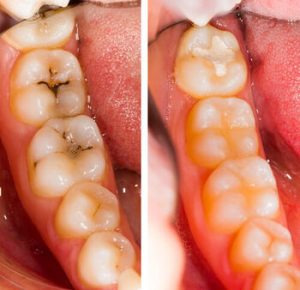
This happens when deep fillings come too close to the nerve, causing ongoing inflammation or infection. If left untreated, it can lead to a dental abscess, which is not only painful but also dangerous.
Watch for:
- Throbbing or severe pain
- Swelling in the gums or cheek
- Fever
- Bad taste in the mouth
If you notice these symptoms, relieve tooth pain temporarily with pain medication, but book in with your dentist for further treatment.
9. Good Oral Hygiene Makes a Difference
While you might not think brushing has anything to do with pain after filling, it does. Poor oral health can contribute to continued inflammation, slow healing, and even new cavities forming near the filled tooth.
Keep your mouth clean with:
- Gentle brushing twice a day
- Daily flossing to avoid gum inflammation
- Rinsing with a non-alcoholic mouthwash
These practices not only alleviate pain but support long-term dental health.
10. When It’s Time to Go Back to the Dentist
You’ve given it time, avoided cold foods, tried pain relief, and even switched toothpaste, but the tooth pain just won’t quit. If your symptoms persist, don’t tough it out.
Seek professional help if:
- You’ve had pain for more than two weeks
- You’re experiencing swelling, pus, or fever
- You’re finding it hard to eat or sleep due to discomfort
- You suspect your filling procedure wasn’t successful
Pain is your body’s way of telling you something’s not right. A dentist can determine if your dental filling needs to be adjusted, replaced, or followed up with further treatment.
A Word About Fillings and Risks
It’s important to note that any surgical or invasive procedure, including a simple dental filling, carries risks. Your dentist will do their best to effectively numb the area and ensure the process is as smooth as possible, but reactions and complications can still occur.
If you’ve experienced unexpected pain or side effects, it’s not necessarily due to negligence. Sometimes, the tooth decay was deeper than expected. Sometimes, the filling material just doesn’t settle well in a specific mouth.
Having open communication with your dental team during and after the process is the best way to ensure a good outcome.
How to Avoid Tooth Pain After Fillings in the Future
Prevention is always better than cure. To reduce the chances of needing another filling or dealing with filling pain, maintain good oral hygiene and schedule regular dental checkups.

- Brush and floss daily
- Limit sugary snacks and drinks
- Avoid chewing hard objects that can cause a broken tooth
- Wear a mouthguard if you grind your teeth at night
- Visit your dentist every 6–12 months for early detection
Taking care of your teeth helps you steer clear of tooth decay and the need for more invasive procedures later on.
Final Thoughts: You’re Not Alone, And Relief Is Possible
If you’re dealing with pain after a filling, it can feel frustrating and even a little worrying. But rest assured, most filling pain is temporary and treatable. Whether it’s a simple sensitivity to cold foods or something more complex like an incorrect bite alignment, there are many effective ways to relieve pain and support your healing process.
Don’t hesitate to reach out to your dentist if pain persists, they’re your partner in achieving lasting oral health and a healthy smile.
Your teeth do a lot for you. It’s only fair to return the favour.
Need help managing post-filling pain? Book a consultation with Available Dental Care at (02) 4601 3828 for expert advice and premium dental care.
References
- Miller, J. (2023, October 17). The 11 best toothpastes for sensitive teeth of 2023, tested and reviewed. Health. https://www.health.com/condition/oral-health/best-toothpaste-for-sensitive-teeth
- Cleveland Clinic. (2022, May 17). Fractured tooth (cracked tooth). https://my.clevelandclinic.org/health/diseases/21628-fractured-tooth-cracked-tooth
- GoodRx Health. (2023, October 3). 7 best over-the-counter pain medications, according to a pharmacist. https://www.goodrx.com/conditions/pain/popular-over-the-counter-pain-relievers